
Introduction to Limestone Grinding with LM Vertical Roller Mill
Limestone, a sedimentary rock composed primarily of calcium carbonate, is one of the most abundant and versatile minerals on Earth. Its applications span across industries such as construction, agriculture, metallurgy, and environmental protection. One of the critical steps in utilizing limestone is grinding it into fine powder, a process that requires efficient, reliable, and high-capacity equipment. Among the modern solutions available, the LM Vertical Roller Mill, developed and manufactured by LIMING HEAVY INDUSTRY CO., LTD., stands out as a premier choice for limestone grinding operations worldwide.
LIMING HEAVY INDUSTRY CO., LTD., established in 1987, has evolved into a modern joint-stock corporation integrating research, manufacturing, and sales. With its headquarters located in the HI-TECH Industry Development Zone of Zhengzhou and an additional workshop in Shangjie Industry Park, the company covers a combined area of over 147,000 square meters. Over the past 30 years, LIMING has adhered to modern scientific management systems, precision manufacturing, and continuous innovation, positioning itself as a leader in the domestic and international machinery manufacturing industry. The LM Vertical Roller Mill is a testament to this commitment, embodying advanced technology and robust engineering.
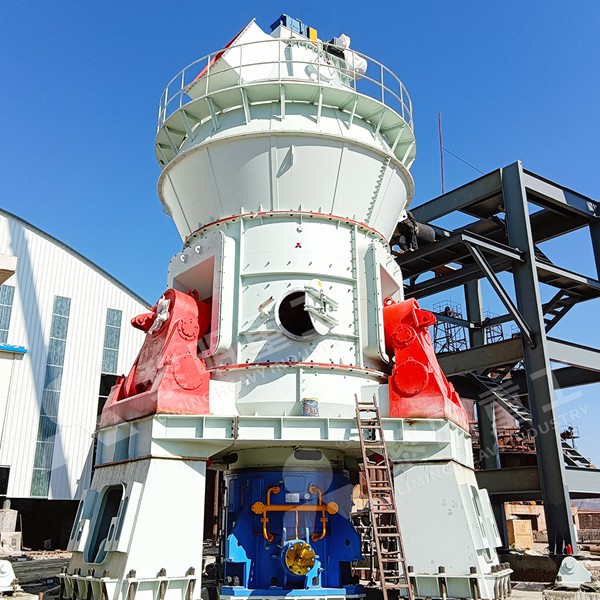
Working Principle and Structural Advantages of LM Vertical Mill
The LM Vertical Roller Mill integrates drying, grinding, powder selection, and conveying into a single unit, streamlining the entire milling process. The mill operates on a principle that leverages the centrifugal force generated by the rotation of the grinding table. Material is fed into the center of the rotating table through a feed chute. The table’s rotation distributes the material evenly across its surface, where it is crushed and ground between the grinding rollers and the table. The rollers, pressed against the material bed by hydraulic or mechanical pressure, exert sufficient force to pulverize the limestone into fine particles.
One of the key structural advantages of the LM mill is its efficient powder selection system. The integrated classifier ensures that only particles meeting the desired fineness pass through, while oversized particles are returned to the grinding table for further processing. This closed-loop system minimizes energy consumption and maximizes throughput. Additionally, the mill is equipped with an automatic electric control system, allowing operators to monitor and adjust parameters such as roller pressure, table speed, and airflow in real time. This sophisticated control ensures consistent product quality and operational stability, essential for industrial applications like cement production, power plant desulfurization, and non-metallic mineral processing.
Applications and Benefits in Limestone Processing
Limestone grinding with the LM Vertical Mill is particularly effective in industries where high capacity and fine particle size distribution are critical. For example, in the cement industry, finely ground limestone is used as a raw material for clinker production and as an additive to improve cement properties. In power plants, limestone powder is essential for flue gas desulfurization (FGD) systems, where it reacts with sulfur dioxide to produce gypsum, thereby reducing emissions. Similarly, in the metallurgical sector, limestone serves as a flux in steelmaking, and in agriculture, it is used to neutralize soil acidity.
The LM mill handles limestone with input sizes up to 55mm and delivers a capacity ranging from 10 to 400 tons per hour. This wide capacity range makes it suitable for both small-scale and large-scale industrial operations. The mill’s ability to dry materials with high moisture content (up to 15%) further enhances its versatility, as limestone often contains moisture from mining and washing processes. By integrating drying within the mill, operators eliminate the need for separate drying equipment, reducing capital and operational costs.
Moreover, the LM Vertical Roller Mill is designed for energy efficiency. Compared to traditional ball mills, it consumes 30-50% less energy, a significant advantage in an era of rising energy costs and environmental regulations. The mill also operates with lower noise levels and reduced dust emissions, thanks to its sealed system and efficient dust collection mechanisms. These features align with global trends toward sustainable and environmentally friendly manufacturing practices.
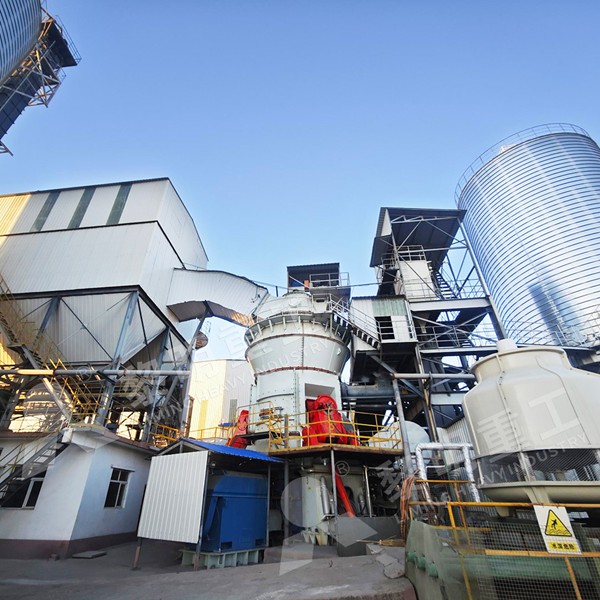
Technological Innovations and Quality Assurance
LIMING HEAVY INDUSTRY CO., LTD. persists in implementing a strategy of scientific research and development aimed at improving product competitiveness. The company focuses on scientific research tackling key problems, technological progress, and technological improvement, with a strong emphasis on the integration of production, learning, and research. Relying on a mature scientific research team, LIMING continuously develops and innovates, targeting the technological frontier of the industry to enhance overall scientific and technological innovation capability.
The LM Vertical Mill features several patented technologies that improve its performance and reliability. For instance, the grinding rollers are designed with a special wear-resistant alloy, extending their service life and reducing maintenance downtime. The hydraulic system for roller pressure is fully automated, ensuring optimal grinding force under varying material conditions. The classifier’s rotational speed can be precisely adjusted to achieve fineness ranging from 200 mesh to 400 mesh, catering to diverse customer requirements.
Additionally, the mill is equipped with a pulse dust collector that complies with stringent national environmental protection standards. This system captures fine particles, preventing air pollution and creating a safer working environment for operators. The entire milling process is monitored by a centralized control room, where data on temperature, pressure, vibration, and power consumption are collected and analyzed. This data-driven approach allows for predictive maintenance, minimizing unplanned stops and maximizing equipment availability.
Why Choose LM Vertical Mill for Your Limestone Grinding Project
Selecting the right grinding equipment is crucial for the success of any mineral processing project. The LM Vertical Roller Mill from LIMING HEAVY INDUSTRY CO., LTD. offers a combination of high capacity, energy efficiency, and product fineness that is hard to match. Its ability to handle a wide range of materials, from limestone to coal and slag, makes it a versatile asset for any industrial plant. The mill’s robust construction ensures long-term reliability even under harsh operating conditions, while the advanced control system simplifies operation and reduces labor costs.
For customers seeking a proven solution for large-scale limestone grinding, LIMING recommends the LM Vertical Roller Mill (LM series). This flagship product has been widely adopted in cement plants, power stations, and mineral processing facilities around the world. For applications requiring finer powder and smaller capacities, the MTW European Type Trapezium Mill is an excellent alternative, offering capacities from 3 to 55 TPH and input sizes up to 50mm. Both products are backed by LIMING’s comprehensive after-sales service, including installation, commissioning, training, and spare parts support.
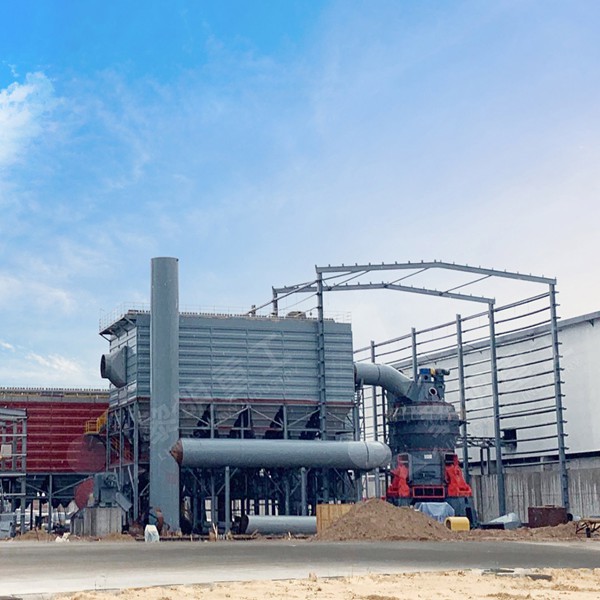
In conclusion, the LM Vertical Roller Mill represents the pinnacle of limestone grinding technology. Its integration of drying, grinding, classification, and conveying reduces process complexity and operational costs. With the backing of LIMING HEAVY INDUSTRY CO., LTD.’s 30+ years of experience and commitment to innovation, customers can be confident in achieving their production goals efficiently and sustainably.
Frequently Asked Questions about Grinding Mills
FAQ 1: What is the main advantage of a vertical roller mill compared to a ball mill?
Vertical roller mills, like the LM series, integrate grinding, drying, and classification in one unit, resulting in 30-50% lower energy consumption compared to ball mills. They also offer a smaller footprint, lower noise levels, and easier maintenance due to fewer moving parts.
FAQ 2: Can the LM vertical mill grind materials with high moisture content?
Yes, the LM vertical mill is designed with an integrated drying system that can handle materials with moisture content up to 15%. Hot air is introduced into the mill to evaporate moisture during the grinding process, eliminating the need for separate dryers.
FAQ 3: What fineness range can be achieved with the LM vertical mill for limestone?
The fineness of limestone powder produced by the LM mill can be adjusted between 200 mesh and 400 mesh (approximately 74 to 38 microns). For special applications, the fineness can be customized by changing classifier speed and airflow parameters.
FAQ 4: How does the automatic control system improve mill operation?
The automatic electric control system monitors key parameters such as grinding pressure, table speed, and material feed rate in real time. It automatically adjusts these parameters to maintain optimal grinding conditions, ensuring consistent product quality, reducing energy waste, and preventing equipment overload.
FAQ 5: What after-sales services does LIMING Heavy Industry provide for its grinding mills?
LIMING Heavy Industry offers comprehensive after-sales support, including on-site installation guidance, commissioning, operator training, maintenance manuals, and a ready stock of spare parts. The company also provides remote technical assistance and regular inspection services to maximize mill uptime and longevity.