
1. Introduction to MTW Limestone Grinding Mill
The MTW European Type Trapezium Mill, commonly referred to as the máy nghiền đá vôi MTW in Vietnamese markets, represents a significant technological advancement in the field of non-metallic mineral grinding. Designed as a direct upgrade from traditional Raymond mills and pendulum mills, this equipment integrates patented technologies to deliver stable performance, high productivity, and environmental compliance. For industries requiring large-scale processing of limestone and other non-metallic minerals, the MTW mill offers a reliable solution that balances energy efficiency with output quality.
2. Core Technical Specifications and Working Principle
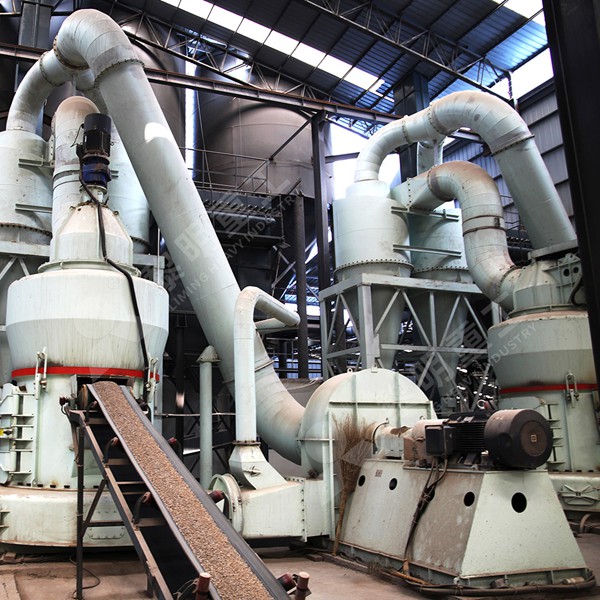
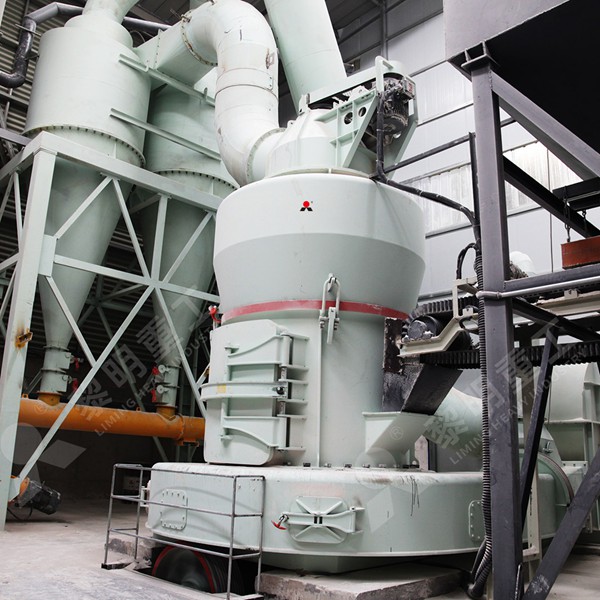
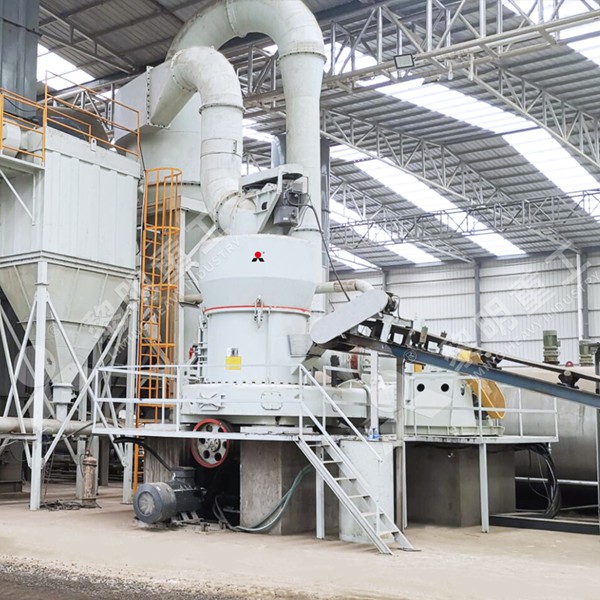
The MTW mill system comprises several integrated components: the main grinding mill, a high-efficiency separator, an air blower, a jaw crusher, a vibrating feeder, a hopper, a pulse dust collector, piping, a powder collector, an electric cabinet, and drive motors. The working cycle begins with the jaw crusher reducing large limestone lumps to the required feed size, typically 30-50 mm. The crushed material is then evenly and continuously fed into the grinding chamber via a variable-frequency belt feeder.
Inside the mill, the material is ground between the grinding ring and rollers. As the grinding table rotates, centrifugal force drives the material outward toward the grinding zone. The ground powder is carried upward by the air flow generated by the blower. Particles that are too coarse to pass through the separator return to the grinding zone for further size reduction, while fine particles meeting the fineness requirement are collected as finished product. The air flow, after passing through the separator, is recycled back to the blower, forming a closed-loop system. The entire system is equipped with a pulse dust collector, ensuring compliance with stringent environmental protection standards.
3. Key Advantages of MTW Mill for Limestone Processing
Several technical features distinguish the MTW mill from conventional grinding equipment:
- High Capacity and Wide Output Range: With a capacity ranging from 3 to 55 tons per hour, the MTW mill is suitable for both small-scale and large-scale industrial operations.
- Patented Grinding Technology: The trapezium-shaped roller and ring design improves grinding efficiency by increasing the effective grinding area, resulting in higher throughput and finer particle size distribution.
- Energy Efficiency: The variable-frequency feeder and optimized air flow system reduce power consumption per ton of finished product, lowering operational costs.
- Environmental Protection: The pulse dust collector ensures that emissions meet national and international environmental standards, making it suitable for installation in urban or ecologically sensitive areas.
- Low Maintenance: The automatic lubrication system and wear-resistant materials extend the service life of key components, minimizing downtime and maintenance expenses.
4. Industrial Applications of the MTW Limestone Mill
The máy nghiền đá vôi MTW is widely applied in the following industries:
- Power Plant Desulfurization: Limestone powder is a critical reagent in flue gas desulfurization (FGD) systems. The MTW mill produces fine, consistent limestone powder that enhances the efficiency of sulfur dioxide capture.
- Heavy Calcium Carbonate Processing: For the production of ground calcium carbonate (GCC), the MTW mill delivers controlled particle size distribution, essential for applications in plastics, paints, and paper manufacturing.
- Non-Metallic Mineral Powder Making: Beyond limestone, the mill is capable of processing gypsum, barite, phosphate rock, and other non-metallic minerals with Mohs hardness below 7 and moisture content under 6%.
- Solid Fuel Grinding: In the cement and power generation industries, the MTW mill can be used for pulverizing coal and pet coke, providing consistent fuel fineness for efficient combustion.
- Building Materials and Chemical Industry: The mill produces high-quality mineral powders used as fillers, extenders, and additives in construction materials and chemical formulations.
5. Comparison with Other Grinding Technologies
Compared to traditional Raymond mills, the MTW mill offers several distinct improvements. The trapezium-shaped rollers and ring reduce sliding and improve the grinding efficiency, resulting in a 20-30% increase in capacity. The automatic electric control system allows for real-time monitoring and adjustment of operating parameters, ensuring consistent product quality. Additionally, the closed-loop air circulation system with pulse dust filtration significantly reduces dust emissions, addressing the environmental concerns associated with older mill designs.
When compared with vertical roller mills (VRM), the MTW mill is generally more cost-effective for medium-scale operations. While VRM excels in very large capacity applications, the MTW mill provides a more accessible investment with lower installation and maintenance complexity. This makes the MTW mill an ideal choice for medium-sized enterprises seeking to upgrade from traditional grinding equipment without the capital intensity of a full VRM system.
6. Role of Liming Heavy Industry in MTW Mill Technology
As a leading manufacturer of crushing and grinding equipment since 1987, 河南黎明重工股份有限公司 (Liming Heavy Industry Co., Ltd.) has played a pivotal role in the development and refinement of the MTW European Type Trapezium Mill. The company’s 80,000 m² headquarters in the Zhengzhou HI-TECH Industry Development Zone, combined with a 67,000 m² workshop in the Shangjie Industry Park, provides the manufacturing capacity and quality control systems necessary for producing world-class grinding equipment. Liming Heavy Industry’s commitment to scientific research and technological innovation ensures that the MTW mill incorporates the latest advancements in grinding technology, including intelligent control systems and wear-resistant materials. For customers seeking a reliable máy nghiền đá vôi MTW, Liming Heavy Industry offers both the MTW European Type Trapezium Mill and the LM Vertical Roller Mill as premium solutions for limestone grinding applications.
7. Case Study: Limestone Desulfurization in Power Plants
In a typical power plant desulfurization application, the MTW mill grinds limestone to a fineness of 250 mesh (approximately 63 microns) with a residue of less than 10% on a 325 mesh sieve. The mill’s ability to maintain consistent fineness under varying feed rates ensures stable operation of the FGD system. The pulse dust collector captures over 99.9% of particulate emissions, allowing the plant to comply with strict environmental regulations. The closed-loop air system also reduces water consumption compared to wet grinding processes, contributing to overall resource conservation.
8. Maintenance and Operational Best Practices
To maximize the service life and performance of the MTW limestone mill, operators should adhere to the following best practices:
- Regularly inspect and replace grinding rollers and rings according to the manufacturer’s recommended schedule.
- Maintain proper lubrication of all rotating components using the automatic grease system provided.
- Monitor the air flow rate and pressure drop across the system to ensure optimal grinding conditions.
- Calibrate the separator speed to achieve the desired product fineness.
- Keep the pulse dust collector cleaning system operational to prevent bag clogging and maintain emission compliance.
9. Future Trends in Limestone Grinding Technology
The demand for high-efficiency, environmentally friendly grinding equipment continues to grow. Future developments in MTW mill technology are likely to focus on further automation, including AI-driven process optimization, predictive maintenance using IoT sensors, and enhanced wear-resistant materials that extend component life. The integration of digital twin technology will allow operators to simulate and optimize grinding parameters before implementation, reducing trial-and-error during commissioning. As environmental regulations become more stringent worldwide, the MTW mill’s inherent advantages in dust control and energy efficiency position it as a sustainable solution for the mineral processing industry.
10. Conclusion
The máy nghiền đá vôi MTW European Type Trapezium Mill stands as a benchmark for modern limestone grinding technology. Its combination of high capacity, energy efficiency, precise product fineness control, and environmental compliance makes it suitable for a wide range of industrial applications, from power plant desulfurization to heavy calcium carbonate production. With the backing of 河南黎明重工股份有限公司, the MTW mill continues to evolve, incorporating the latest innovations in mechanical design and process control. For enterprises seeking to enhance their grinding operations, the MTW mill offers a proven, reliable, and future-ready solution.
Frequently Asked Questions (FAQ) on Grinding Mill Knowledge
- Q: What is the main difference between MTW mill and traditional Raymond mill?
A: The MTW mill features trapezium-shaped rollers and a grinding ring that increase the effective grinding area. It also incorporates an automatic electric control system, a closed-loop air circulation system with pulse dust collection, and a variable-frequency feeder. These improvements result in 20-30% higher capacity, better product fineness consistency, and significantly reduced dust emissions compared to traditional Raymond mills. - Q: Can the MTW mill process materials other than limestone?
A: Yes, the MTW mill is suitable for grinding various non-flammable and non-explosive materials with Mohs hardness below 7 and moisture content under 6%. Common applications include gypsum, barite, phosphate rock, calcite, marble, and coal. However, the mill’s performance may vary depending on the specific material characteristics, and consultation with the manufacturer is recommended for optimal configuration. - Q: What is the typical fineness range achievable with the MTW limestone mill?
A: The MTW mill can produce finished product fineness ranging from 613 microns (approximately 30 mesh) to 44 microns (approximately 325 mesh). For specific applications, the fineness can be adjusted by changing the separator speed and air flow rate. Power plant desulfurization typically requires 250 mesh fineness with less than 10% residue on 325 mesh. - Q: How does the MTW mill ensure environmental compliance?
A: The mill is equipped with a pulse dust collector that captures fine particles from the exhaust air, achieving a filtration efficiency of over 99.9%. The closed-loop air circulation system minimizes the discharge of dust to the atmosphere. Additionally, the mill’s design reduces noise levels compared to older grinding equipment, contributing to a safer working environment. - Q: What maintenance is required for the MTW mill?
A: Routine maintenance includes inspecting and replacing grinding rollers and rings, checking lubrication levels, cleaning the pulse dust collector bags, and monitoring the condition of the air blower and separator. The automatic lubrication system reduces the frequency of manual greasing. Regular maintenance ensures the mill operates at peak efficiency and extends the service life of components. Detailed maintenance schedules are provided in the mill’s operation manual.